
Think Twice Before Visiting Jeju Island: Strict Immigration Rules Behind Visa-Free Claims
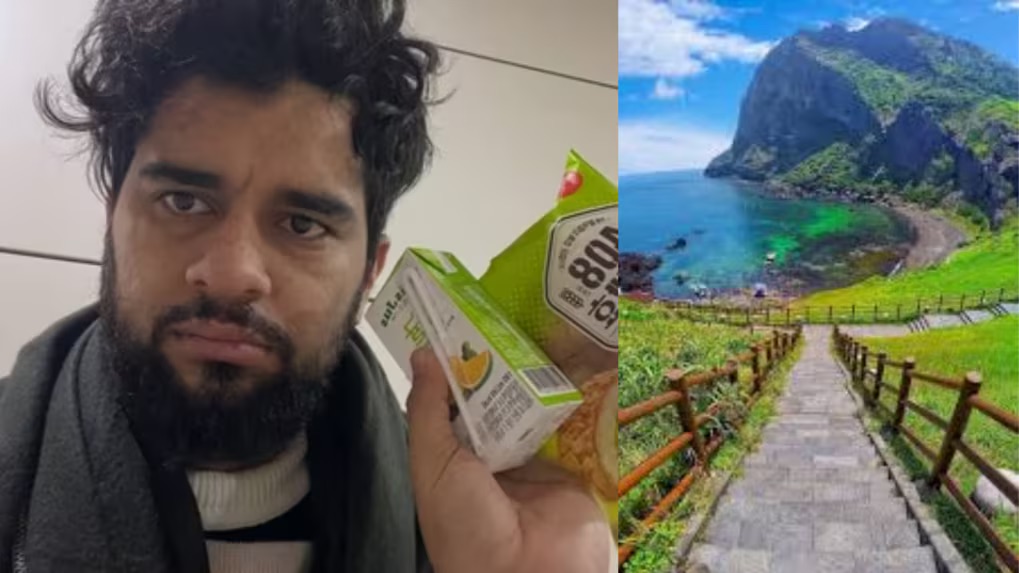
A 38-hour detention of Indian travel influencer Sachin Awasthi and his wife at South Korea’s Jeju Island immigration counter has sparked serious concern about the risks tied to Jeju’s so-called “visa-free” entry. What is being marketed as an easy-access tourist destination is, in reality, a tightly controlled special zone where travelers—especially from countries like India, China, and Indonesia—can be stopped, questioned, and detained for extended periods.
According to visa consultant Priyesh Sharma, even high-profile personalities are not immune to strict enforcement.
“Even celebrities like Shah Rukh Khan have been held—host countries care about paperwork, not follower counts,” he told. The message is clear: status, influence, or tourism intent offers no protection when policies are rigidly applied.
The Problem With Jeju’s “Visa-Free” Narrative
Jeju Island operates a visa-waiver programme that is completely separate from mainland South Korea. Many travelers do not realize that:
Visa-free entry is typically allowed only on direct international flights or cruises to Jeju.
Arriving via Seoul or other mainland airports invalidates the waiver.
Transit misunderstandings can result in refusal of entry.
Detention may occur in air-side holding areas for extended hours.
In the recent case, the couple reportedly arrived via Seoul, triggering refusal and confinement. While South Korean officials have not publicly commented in detail, the enforcement highlights a harsh reality: Jeju’s tourism branding does not always reflect the strict operational rules on the ground.
Increasing Reports of Stops and Detentions
Travel forums and visa consultants indicate that more travelers from:
India
China
Indonesia
- Pakistan
- Nepal
- Sri Lanka
- Afghanistan
- Bhutan
- Many third world countries
are being stopped for secondary screening. In some cases, travelers are questioned for hours. In others, they are held pending deportation on the next available flight.
Even if you hold a valid passport and believe you qualify under the visa waiver, small routing errors or documentation gaps can result in detention. Travelers are not always clearly informed beforehand about these distinctions.
A Broader Mobility Challenge
India currently ranks 85th in the 2026 Henley Passport Index, meaning Indian passport holders often face greater scrutiny worldwide. However, what raises concern in Jeju’s case is the contrast between promotional tourism messaging and strict enforcement.
Special economic or tourism zones around the world often have unique entry conditions. Jeju’s system appears particularly unforgiving when travelers misunderstand routing requirements.
Safety Advisory for Travelers
If you are considering visiting Jeju:
Double-check that your flight is directly international to Jeju, not via Seoul.
Carry printed proof of onward travel and accommodation.
Confirm rules directly with official consular sources before departure.
Be mentally prepared for possible questioning or screening delays.
If your travel plans involve transit through mainland South Korea, assume that the Jeju visa waiver may not apply.
Consider the Risk Carefully
Travel should be enjoyable—not stressful or humiliating. Being detained for 24–48 hours in an airport holding area can be traumatic, especially for families.
Given the increasing reports of detentions and strict interpretation of routing rules, travelers from India, China, Indonesia, and similar passport categories should think carefully before choosing Jeju as a destination.
Until policies become clearer and more transparently communicated, caution is strongly advised.
Travel smart. Verify everything. And understand that “visa-free” does not always mean risk-free.