
Debating NYC Congestion Pricing: Concerns and Controversies
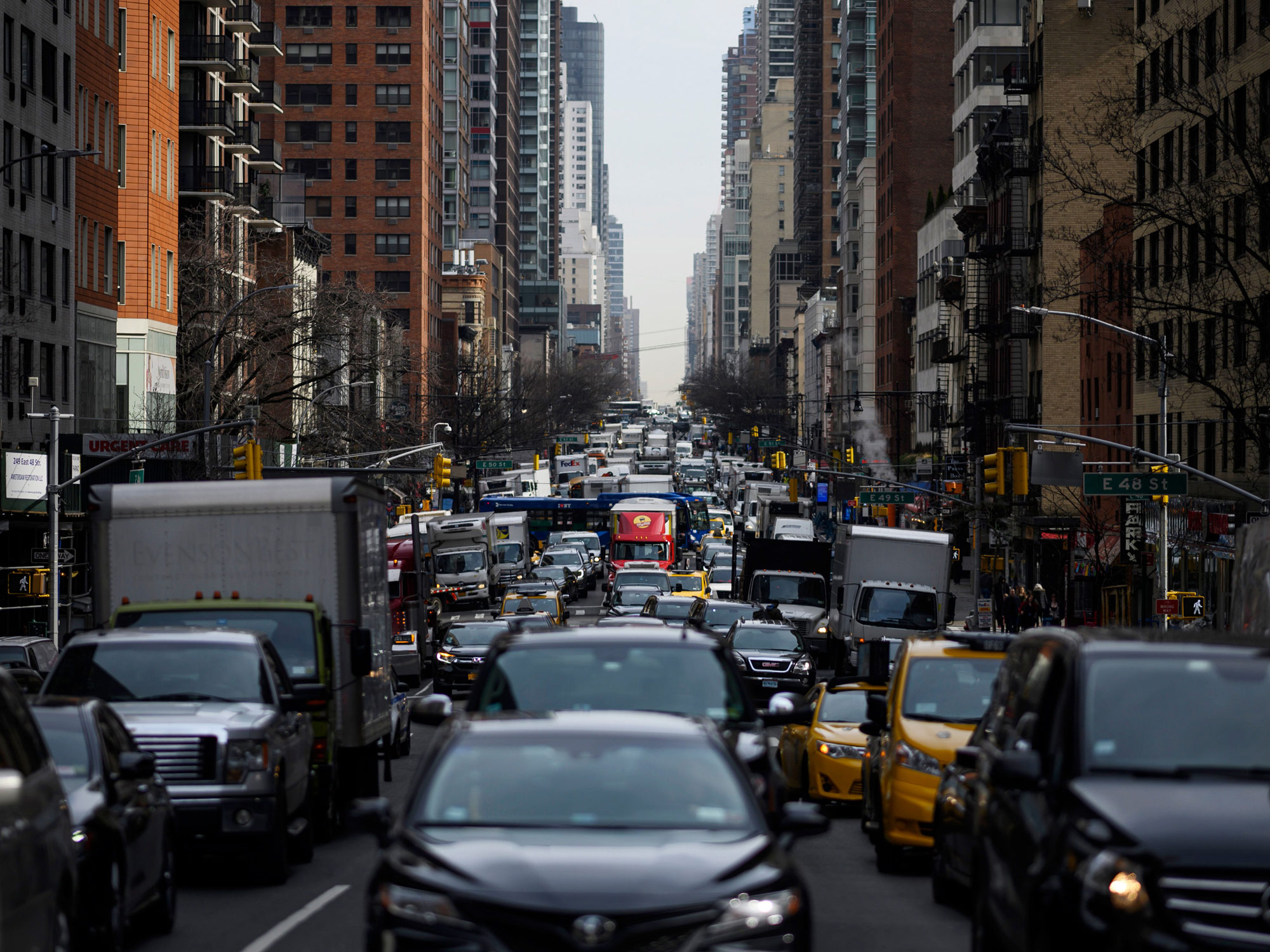
Implementing congestion pricing in New York City has sparked a heated debate, particularly with recommendations from influential agencies like the Metropolitan Transit Association. The proposal aims to alleviate traffic congestion and encourage the use of mass transit. However, the idea faces skepticism, with concerns about the practicality of deterring drivers through fees on specific days, especially in a city known for its love of cars.
The unique geographical challenge of New York, with Manhattan squeezed onto a small island, makes congestion pricing below 60th Street a potential financial burden for drivers. While the subway system is a praised aspect of the city, some argue that the congestion issue is not about tourists but about the local car culture.
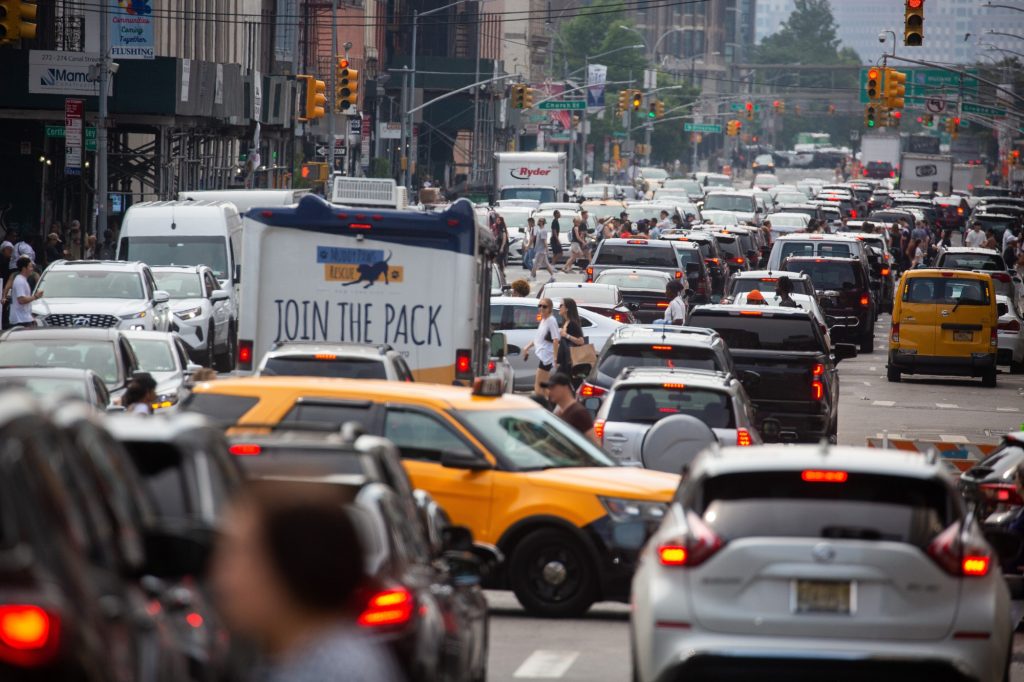
Critics doubt the effectiveness of congestion pricing on major roadways like FDR Drive and the West Side Highway unless it is coupled with an increase in parking fees. For native New Yorkers, the prospect of higher parking costs is a concern, given the already exorbitant prices in the city.
The debate underscores the misconception that tourism is the primary cause of congestion. In reality, most visitors to New York City prefer utilizing subways over taxis or ride-sharing services. Navigating the subway system becomes an integral part of the overall New York experience for tourists.
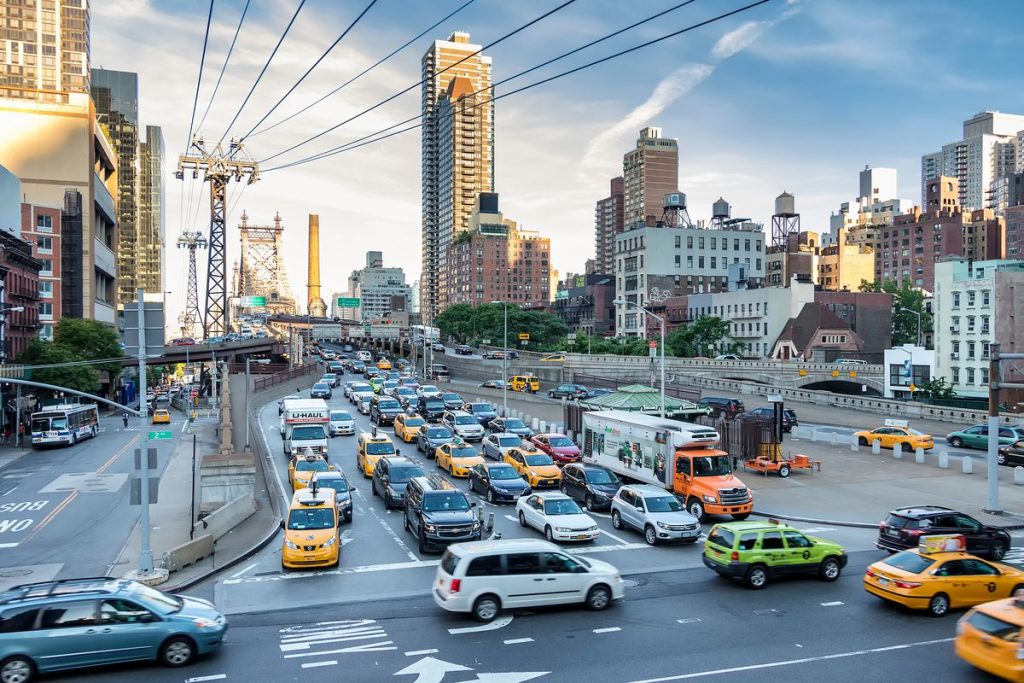
Beyond local concerns, two major issues arise. First, there’s the potential copycat effect, as other cities might follow suit if New York implements congestion pricing. This could set a precedent for similar measures in other urban areas. Second, there’s the risk of discouraging visitors, as additional fees and peak-day pricing may contribute to the growing costs associated with travel, potentially deterring individuals from choosing a personal vehicle for transportation.
As the debate unfolds, the broader implications of congestion pricing extend beyond the immediate traffic concerns, touching on urban planning, transportation culture, and the delicate balance between encouraging sustainable practices and addressing the practical needs of city dwellers and visitors alike.